

How Do Ball Joints Affect Vehicle Safety and Performance?
Article Summary
Ball joints are small but critical components in modern vehicle suspension systems. They connect control arms to steering knuckles, allowing smooth steering movement while supporting vehicle weight. When ball joints wear or fail, handling, safety, and ride stability are directly compromised. This article provides a comprehensive explanation of how ball joints function, common customer pain points, material and structural parameters, selection considerations, maintenance insights, and frequently asked questions, helping buyers and engineers make informed decisions.
Outline
- Overview of Ball Joints and Their Role
- How Ball Joints Work in Suspension Systems
- Common Problems and Customer Pain Points
- Key Product Parameters and Technical Specifications
- Types of Ball Joints and Application Scenarios
- How to Choose Reliable Ball Joints
- Maintenance, Wear Signs, and Service Life
- Frequently Asked Questions
- Conclusion and Contact Us
Overview of Ball Joints and Their Role
Ball joints are spherical bearings designed to provide controlled movement between suspension components. Acting as pivot points, they allow wheels to move up and down with the suspension while enabling left and right steering rotation. This dual-motion capability makes ball joints essential for ride comfort, precise handling, and long-term structural stability.
In passenger vehicles, light trucks, and commercial vehicles, ball joints operate continuously under dynamic loads, vibration, and environmental exposure. Their reliability directly influences steering accuracy, tire wear patterns, and overall driving safety.
How Ball Joints Work in Suspension Systems
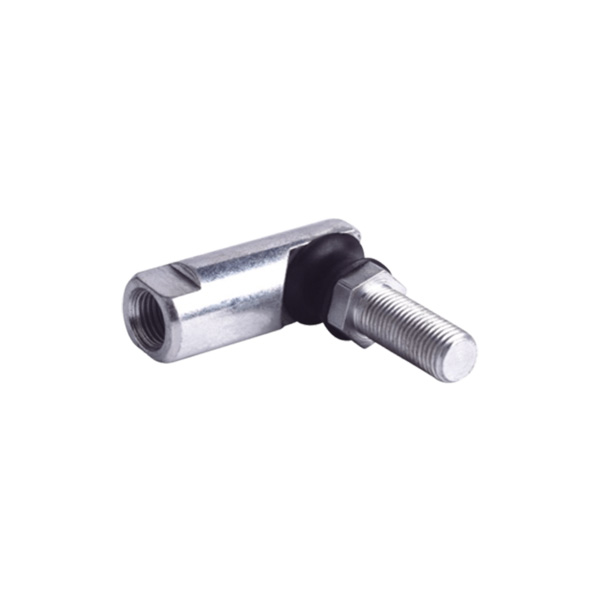
A typical ball joint consists of a hardened steel ball stud enclosed in a lubricated socket, protected by a dust boot. The stud connects to the steering knuckle, while the socket is mounted to the control arm. This configuration enables angular movement while maintaining load-bearing strength.
During driving, ball joints absorb vertical loads from road irregularities and horizontal forces from braking and cornering. Properly engineered ball joints ensure smooth articulation, minimize friction, and prevent excessive play that can lead to instability.
Common Problems and Customer Pain Points
Customers often encounter ball joint issues due to material fatigue, insufficient lubrication, or poor sealing. These problems are especially common in demanding driving environments such as rough roads, heavy loads, or extreme climates.
- Premature wear leading to steering looseness
- Noise such as clunking or squeaking during turns
- Uneven tire wear caused by suspension misalignment
- Safety risks from sudden joint separation in severe cases
These pain points highlight the importance of selecting ball joints manufactured with precise tolerances, durable materials, and effective dust protection.
Key Product Parameters and Technical Specifications
| Parameter | Description |
|---|---|
| Material | Forged or heat-treated alloy steel for high load resistance |
| Surface Treatment | Anti-corrosion coating or phosphate treatment |
| Socket Type | Metal-on-metal or polymer-lined socket |
| Lubrication | Pre-greased or greaseable design |
| Dust Boot | High-elastic rubber or polyurethane sealing |
| Load Capacity | Designed to meet OEM or heavy-duty requirements |
Types of Ball Joints and Application Scenarios
Ball joints are generally categorized based on mounting position and load direction. Upper ball joints primarily manage steering alignment, while lower ball joints often support vehicle weight. Some suspension designs integrate load-bearing joints, while others separate load and steering functions.
Different vehicle categories require tailored solutions. Passenger cars prioritize comfort and precision, while commercial vehicles demand enhanced durability and fatigue resistance. Industrial-grade ball joints are engineered to perform consistently under higher stresses and extended service intervals.
How to Choose Reliable Ball Joints
Selecting the right ball joints requires evaluating both design quality and manufacturing capability. Buyers should focus on dimensional accuracy, material consistency, and compliance with industry standards.
- Confirm compatibility with vehicle suspension geometry
- Assess sealing performance to prevent contamination
- Evaluate load ratings under real operating conditions
- Choose manufacturers with proven testing and quality control
Dongzhou supplies ball joints engineered for stable performance across diverse applications, emphasizing durability, precision machining, and consistent quality output.
Maintenance, Wear Signs, and Service Life
Although ball joints are designed for long-term use, regular inspection is essential. Early detection of wear helps prevent secondary damage to tires, control arms, and steering systems.
Common wear indicators include steering vibration, abnormal noise, and visible damage to dust boots. Proper lubrication and timely replacement significantly extend suspension service life and maintain driving safety.
Frequently Asked Questions
What happens when ball joints fail?
Worn ball joints can cause unstable steering, uneven tire wear, and in extreme cases, loss of wheel control, posing serious safety risks.
How long do ball joints typically last?
Service life varies based on driving conditions and load, but quality ball joints often last between 80,000 and 150,000 kilometers under normal use.
Are greaseable ball joints better than sealed ones?
Greaseable designs allow maintenance flexibility, while sealed joints reduce upkeep; the best choice depends on operating environment and maintenance practices.
Can worn ball joints affect alignment?
Yes, excessive play directly impacts wheel alignment, leading to poor handling and accelerated tire wear.
Conclusion and Contact Us
Ball joints play a decisive role in vehicle safety, suspension integrity, and driving comfort. Understanding their function, specifications, and maintenance requirements helps customers avoid costly failures and improve long-term performance. High-quality manufacturing and rigorous testing are essential to ensuring reliability under real-world conditions.
Dongzhou is committed to delivering dependable ball joint solutions that meet diverse automotive and industrial demands. For technical details, customized solutions, or bulk purchasing support, contact us today to discuss how the right ball joints can enhance your suspension system performance.