

A loose bearing is not automatically overloaded, and a tight bearing is not automatically defective. The useful question is which evidence separates wear, poor lubrication, contamination, bad fits and blocked articulation.
The most common spherical plain bearing failure paths are progressive sliding-surface wear, lubricant starvation in maintenance-required designs, abrasive or corrosive ingress, liner damage, excessive fit interference, ring creep and edge loading. Diagnose the joint from symptom, location, timing and assembly evidence. Do not select a replacement from the damaged bearing alone.
Spherical plain bearings work with sliding contact, so some wear is expected. According to the official SKF catalogue, the contact cannot maintain a complete separating lubricant film in all conditions, and internal clearance increases as wear develops. Failure analysis therefore starts by asking whether the observed change is normal progression, accelerated wear or an installation problem that existed from the first cycle.
Our factory view is simple: the bearing is one witness in a larger joint. The pin, shaft, housing, shoulders, seals and grease passages often carry the evidence needed to understand what happened.
1. Start with the symptom, then test competing causes
| Observed symptom | Possible causes | Evidence to collect | Corrective direction |
|---|---|---|---|
| Increasing radial play | Normal wear, abrasive ingress, lubricant starvation, overload or liner damage | Trend measurements, debris, seal condition, contact pattern and duty history | Remove the accelerator, then reassess series, sealing and maintenance |
| High torque from first assembly | Excessive interference, distorted housing, burr, blocked tilt or mounting damage | Loose versus installed torque, seat size and roundness, shoulder clearance | Correct seat and force path before replacing the bearing |
| Torque or heat rises in service | Contamination, corrosion, dry steel-to-steel contact, liner distress or adjacent rubbing | Lubricant condition, temperature trend, surface marks and articulation envelope | Restore lubrication or protection and verify duty |
| Ring moves in its seat | Insufficient fit, seat wear, weak housing support or changing load direction | Fretting marks, bore size, material, wall thickness and load map | Redesign the locating fit or surrounding part |
| Damage concentrated at one edge | Deflection, housing distortion, shoulder contact, excessive angle or offset load path | Assembly alignment, contact marks, load center and motion-limit clearance | Correct geometry rather than simply increasing bearing size |
| Seal torn or displaced | Sharp entry, tool contact, debris, excess angle or incompatible environment | Both seal lips, entry chamfer, tool marks and nearby interference | Fix installation and guarding, then replace damaged seals or bearing |
Each row is a starting hypothesis, not a verdict. The same symptom can come from several mechanisms, and several mechanisms can occur together.
2. Excessive clearance: find what accelerated the wear
Measure play before disassembly when it is safe to do so, then compare it with the acceptance criterion used at commissioning. “Feels loose” is not enough. The machine may amplify a small bearing clearance through a long lever arm, or the apparent movement may come from a pin, clevis or housing seat.
For steel-to-steel bearings
Check whether grease actually reached the loaded zone. A fitting full of grease does not prove the contact was lubricated. A blocked drillway, misaligned groove or long period of small oscillation under a constant-direction load can leave the main contact poorly replenished. SKF notes that grease reduces friction and wear and helps protect against corrosion and contaminants, but the route and interval must suit the real duty.
For PTFE-lined bearings
Inspect the liner for local peeling, scoring, embedded debris and uneven contact. Do not add grease as a general remedy. For the PTFE fabric and PTFE sintered-bronze systems documented by SKF, external lubricant can disturb the transfer-film process and shorten service life. Follow the exact bearing maker's instruction.
3. High torque can be an installation defect
If a bearing is stiff before the machine runs, focus on the seat and mounting process. Excessive interference can close internal clearance. A thin or non-round housing can distort the outer ring. A shoulder or spacer can touch the inner ring at an angle. Force applied through the opposite ring can damage the sliding contact during pressing.
The SKF mounting guidance states that mounting force should not pass through the sliding interface and that hammer or punch blows should be avoided. Our related fits and installation guide covers the drawing and work-instruction details.
4. Lubrication failure is a system failure
For a maintenance-required bearing, investigate four separate links:
- Supply: was the specified lubricant available, clean and compatible?
- Delivery: did the fitting, line and drilled passage remain open?
- Distribution: did grooves and holes deliver grease to the loaded contact through the actual movement?
- Timing: did relubrication occur at an interval derived from load, motion, temperature and contamination?
A missed interval and a blocked passage may produce similar surface damage but require different corrective actions. Preserve service records and examine grease from the joint before cleaning the parts.
5. Contamination and corrosion shorten real service life
Long calculated life is particularly sensitive to the environment. Abrasive particles can enter through a damaged seal or during assembly. Water can corrode a contact during long dwell periods. Cleaning chemicals may affect the lubricant, liner or seal. A 2RS suffix can improve exclusion for the applicable series, but it does not make the joint immune to ingress.
Inspect both sides. Note whether debris is external, trapped at a lip or embedded in the contact. Record its color and texture, but do not diagnose from color alone. Laboratory material analysis may be necessary when the consequence of failure is high.
6. Ring creep and edge loading point beyond the bearing
Ring creep
Polished or fretted seat marks and a ring that moved relative to the shaft or housing suggest the locating fit did not control the load. Causes may include insufficient interference, seat wear, weak housing support, temperature change or a load direction different from the design assumption.
Edge-concentrated damage
Look for a load path that misses the bearing center, shaft or pin bending, an out-of-square housing, shoulder contact or articulation beyond the available angle. Replacing the bearing with the same part without correcting the geometry is likely to repeat the pattern.
Load rating alone will not answer these questions. Use the full duty-cycle method in our spherical plain bearing load and life guide.
7. Preserve the evidence before returning a sample
- Photograph the joint in place. Capture orientation, load direction, seals, grease lines and any visible movement before removal.
- Mark positions. Mark top, load direction, inner ring, outer ring and split orientation so the wear pattern remains tied to the assembly.
- Record symptoms. Note play, torque, heat, noise and when each first appeared. Include the service time and machine cycle.
- Do not clean away evidence. Keep lubricant, debris and corrosion products unless safe handling requires otherwise.
- Measure mating parts. Retain the pin or shaft and record housing bore, roundness, seat condition and shoulder contact.
- Send the specification trail. Include purchase suffix, drawing revision, installation method, lubricant and maintenance log.
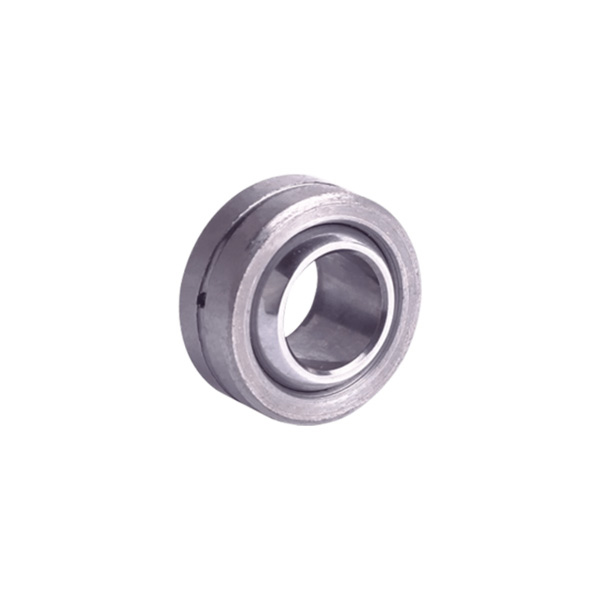

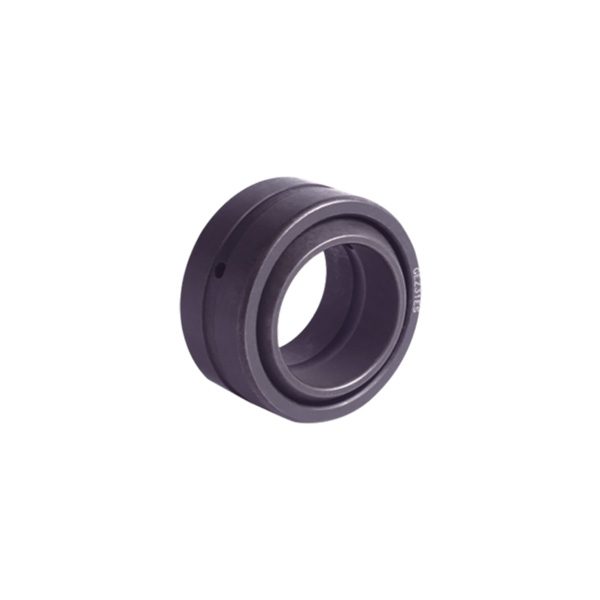
Send the failed joint, not just a replacement code
Dongzhou can compare a failed sample with the assembly drawing, duty and current product construction. Keep the sample uncleaned where safe, mark its installed orientation and include the mating pin or shaft when practical.
Request a failure reviewNingbo Dongzhou Transmission Co., Ltd. | sale02@hkdongzhou.com | +86-574-87815807
Frequently asked questions
Why does a spherical plain bearing develop excessive clearance?
Clearance can grow as the sliding surfaces or liner wear. Abrasive contamination, insufficient lubrication in a steel-to-steel bearing, corrosion, overload, edge loading, unsuitable fit or movement beyond the intended duty can accelerate that wear. Measure the bearing and inspect the mating parts before assigning one cause.
Why is a spherical plain bearing stiff after installation?
High torque immediately after installation can indicate excessive interference, an out-of-round or distorted housing, burrs, incorrect ring orientation, shoulder contact, seal damage or force transmitted through the sliding contact during mounting. Compare loose-bearing and assembled measurements.
Should a PTFE-lined spherical plain bearing be greased?
Do not add grease unless the exact bearing manufacturer's instructions permit it. For the maintenance-free PTFE sliding systems documented by SKF, external lubricant can disturb the transfer-film process and shorten life. Identify the liner and suffix before changing lubrication practice.
What causes one-sided damage in a spherical plain bearing?
One-sided or edge-concentrated damage can point to housing distortion, shaft deflection, blocked articulation, shoulder interference, load beyond the permitted angle or a load path that does not pass through the intended bearing center. The wear pattern alone is not proof, so inspect the complete assembly.
Can a sealed spherical plain bearing fail from contamination?
Yes. Seals reduce ingress but do not make a joint immune to abrasive dust, water, chemicals, damaged lips or contamination introduced during assembly. Inspect both seals, nearby wear tracks and the lubricant or liner condition.
What should I send with a failed bearing for analysis?
Send the bearing without cleaning away evidence, the mating shaft or pin when practical, clear photos before removal, the assembly drawing, installation and lubrication records, load and motion data, operating environment, service time and notes on when play, noise, heat or stiffness first appeared.