

Industry News
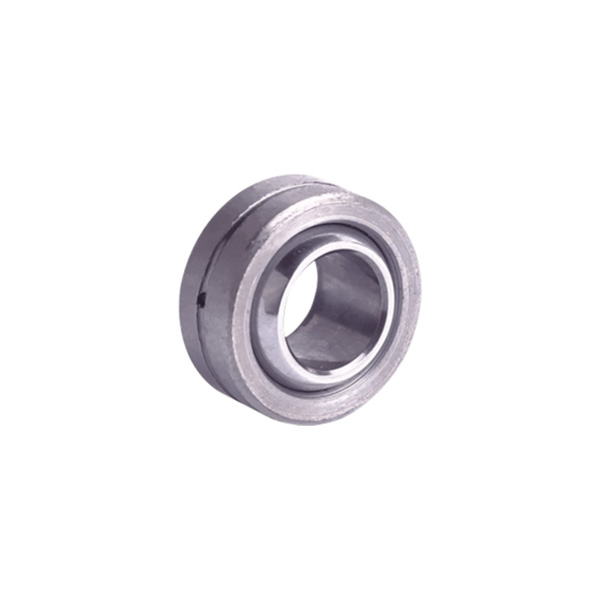
Common Spherical Plain Bearing Failures and What to Inspect
The most common spherical plain bearing failure paths are progressive sliding-surface wear, lubricant starvation in maintenance-required designs, abrasive or corrosive ingress, liner damage, excessive fit interference, ring creep and edge loading. Diagnose the joint from symptom, location, timing an......
Read More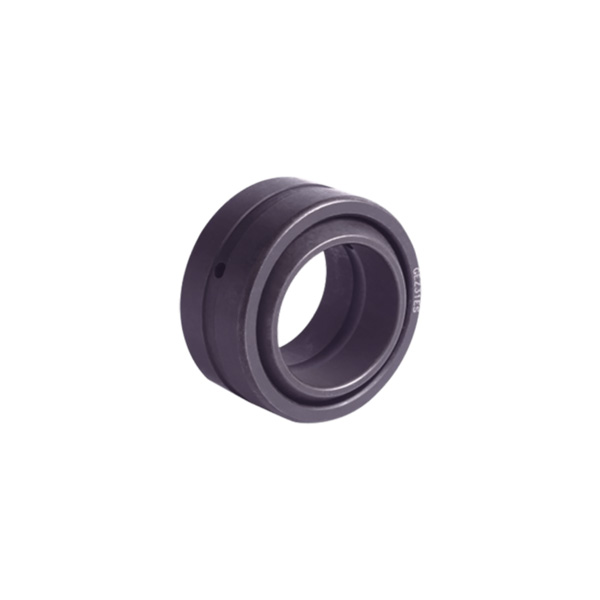
Spherical Plain Bearing Fits and Installation: A Drawing-First Guide
A spherical plain bearing fit must locate both rings without allowing creep, yet preserve enough internal clearance for articulation. Select the shaft and housing tolerances from the exact bearing maker's table, then adjust the decision for load direction, sliding pair, shaft and housing material, w......
Read More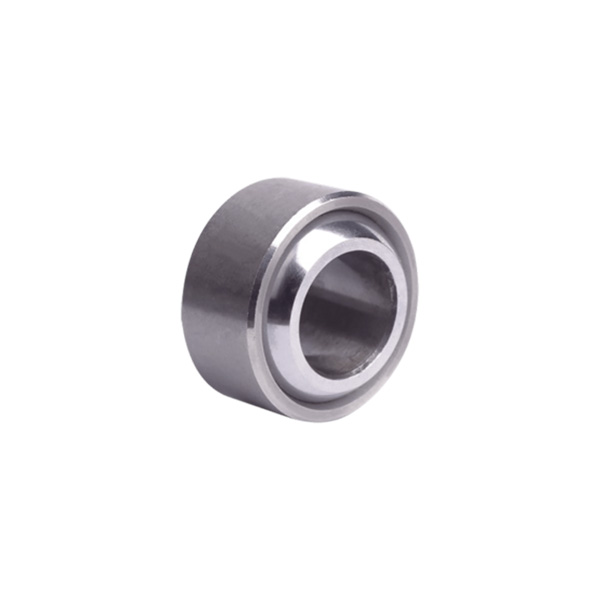
Spherical Plain Bearing Load Ratings: C, C0 and Service Life
C is the basic dynamic load rating used in the manufacturer's life method when the bearing slides under load. C0 is the basic static load rating for stationary loading under stated support conditions. Neither is the machine's allowable load. Selection also needs the actual load vector, oscillation,......
Read MoreMaintenance-Free vs Maintenance-Required Spherical Plain Bearings
Choose a maintenance-free PTFE-lined spherical plain bearing when routine relubrication is impractical and the liner's load, sliding-speed, temperature and environmental limits suit the duty. Choose a maintenance-required steel-to-steel bearing when severe static, alternating or shock load favors ......
Read More
Spherical Plain Bearing vs Ball Bearing: Which Fits the Motion?
Choose a spherical plain bearing when a loaded joint mainly oscillates, tilts or articulates and must tolerate angular misalignment at relatively low sliding speed. Choose a ball bearing, typically a deep groove ball bearing, when a shaft mainly makes continuous revolutions and low friction, rotat......
Read More
What Is a Spherical Plain Bearing? Design, Types and Selection
A spherical plain bearing is a sliding bearing with a convex spherical surface on the inner ring and a matching concave surface in the outer ring. This geometry carries load while allowing oscillation, tilting and angular misalignment between the shaft and housing. There are no balls or rollers betw......
Read More